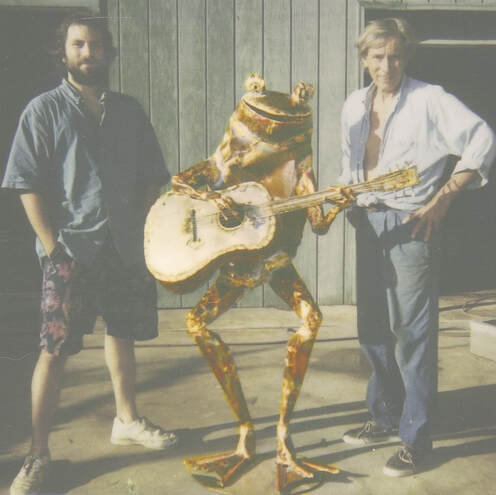
Large Copper Frog Outdoor and Garden Sculpture                        

Large Frog Portfolio   

Recent Work   About the Frog    Beautifulfrog Blog    Contact


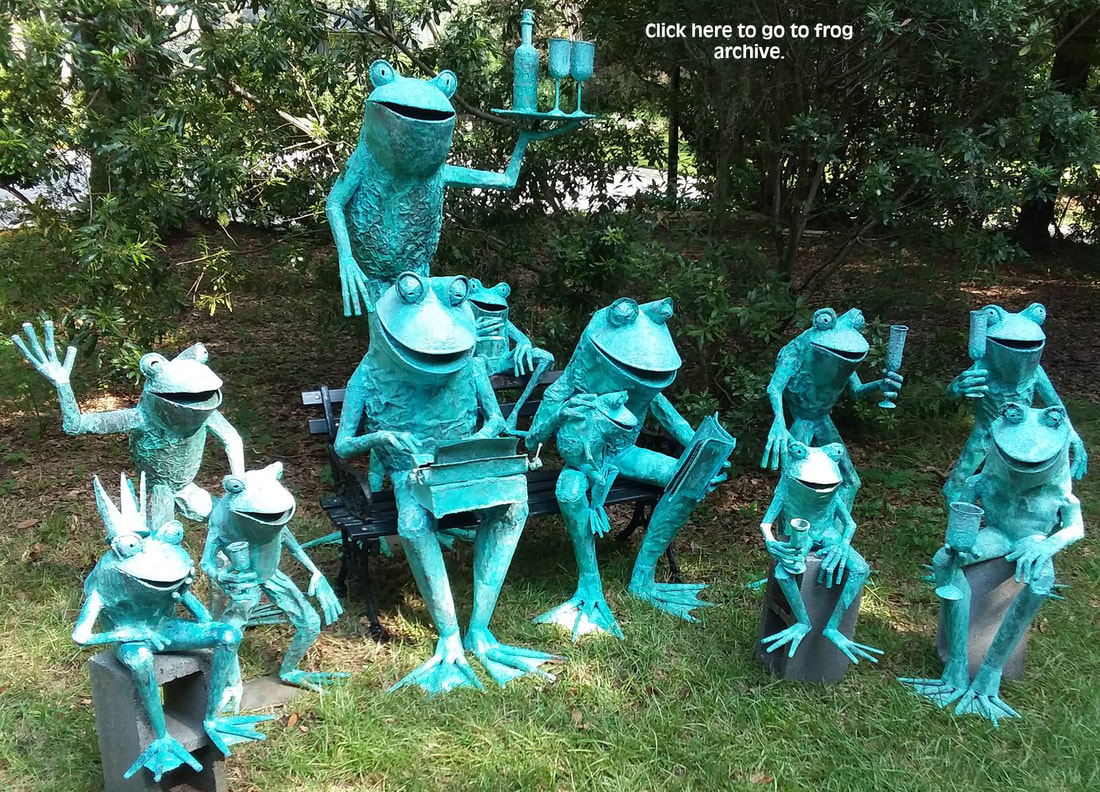
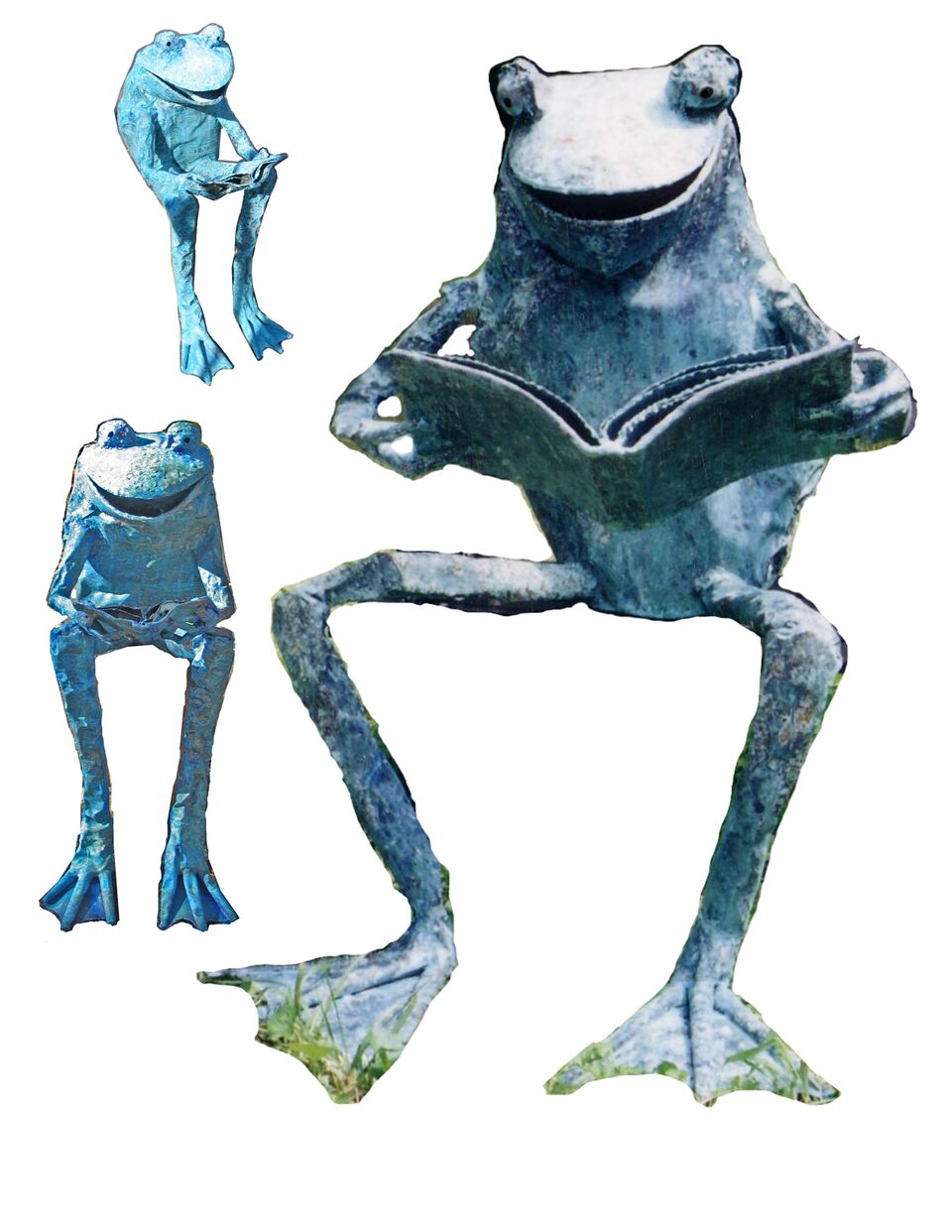
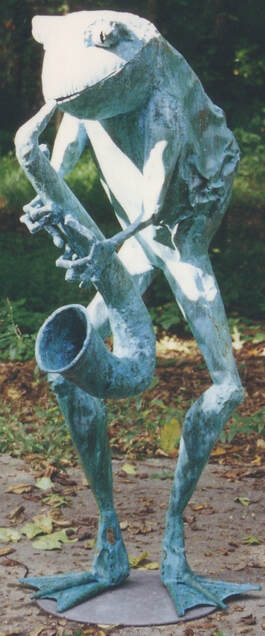
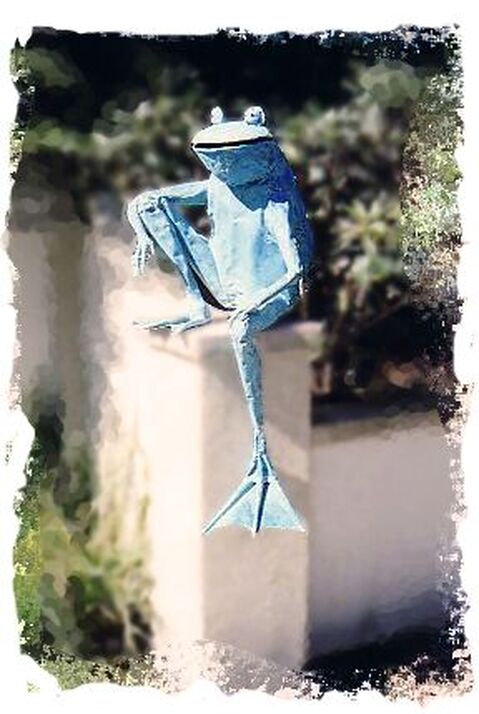
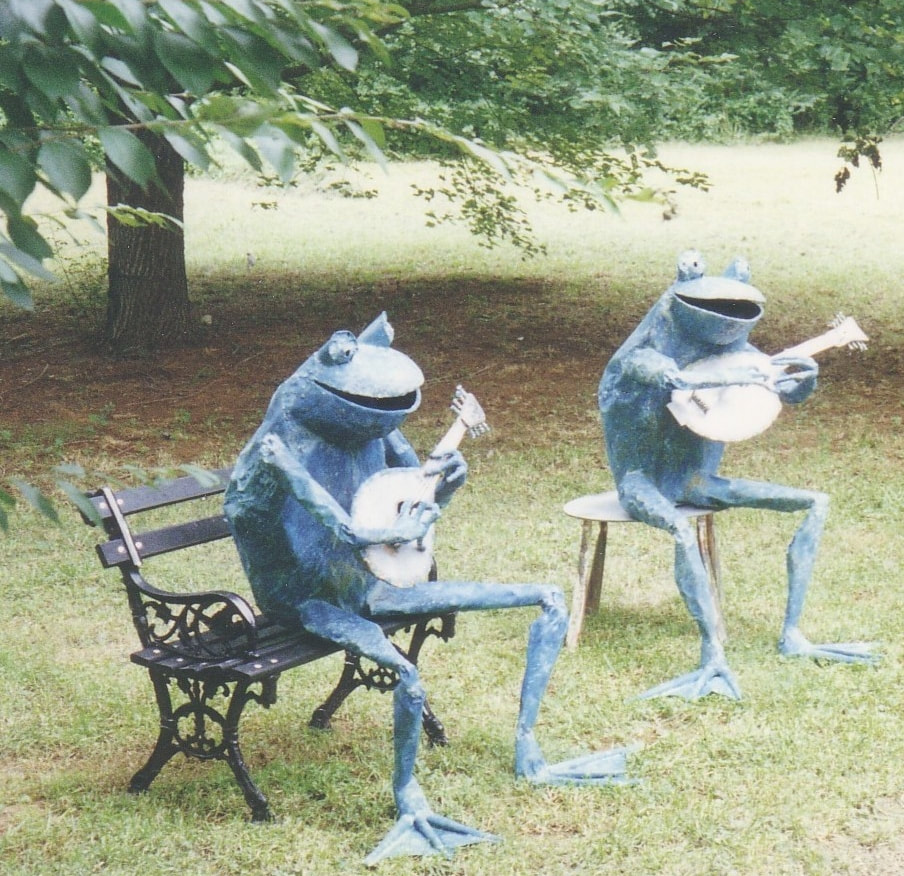
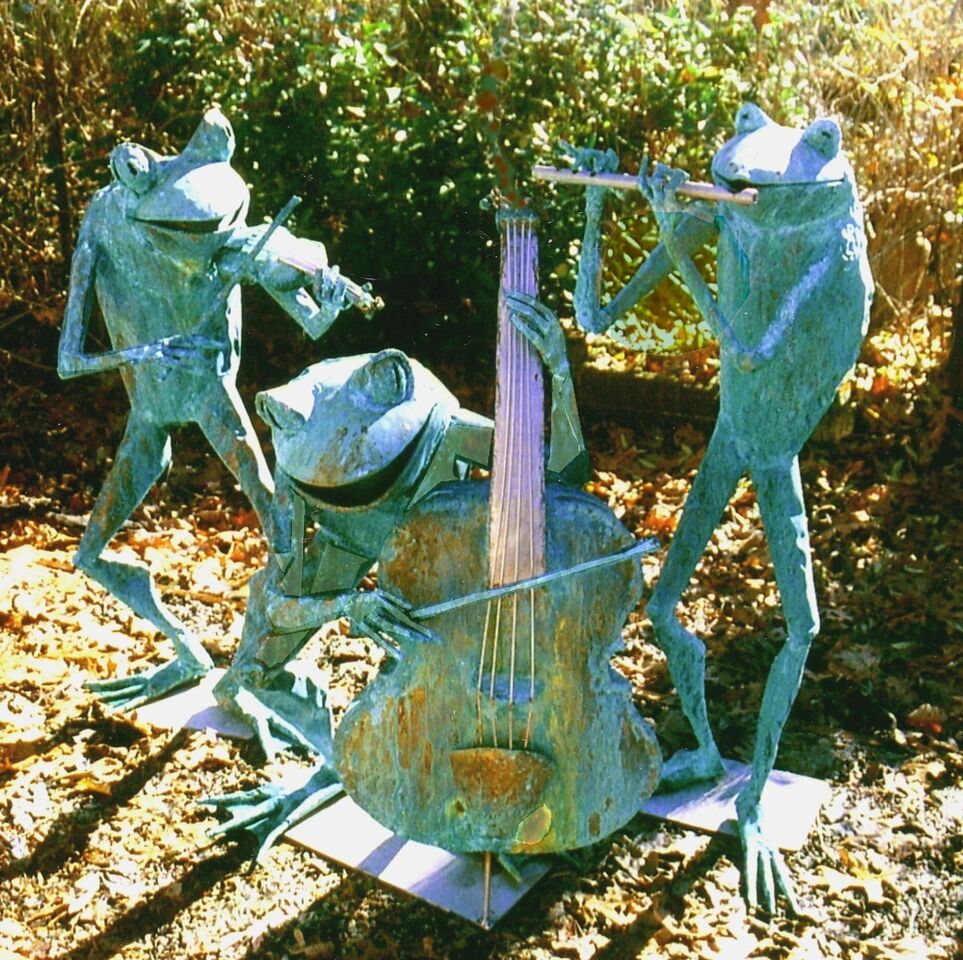
Beau Smith has been professionally sculpting large, human-sized copper frogs, similar to bronzes and bronze frogs, for 20 years. His work is in parks, gardens, and other public places. He has exhibited his sculptures at the Atlanta Botanical Gardens and in many galleries across the country.

Among his recent permanent installations of public sculpture: frog sculptures at the Clifton Park-Half Moon Public Library in Clifton Park, New York, and two frogs at Thrasher Park in Norcross, GA.

 Besides sculpting, Beau Smith writes, paints, makes music, and designs for the Web.

About Beau Smith


 the Frog                     

The Product: materials, durability, the process
History 
Copper Frog Highlights
FAQ   


Subscribe


Subscribe and download The Frogbook

      NAME  

      EMAIL   


the FROGletter features
● Recent sculpture and art
● Articles about frogs, sculpture, and art
● Recent, current, and upcoming exhibitions
● Sales and offers available ONLY  to subscribers
50 plus color pages of Beau Smith's frog sculptures - and paintings and other sculptures. Smith comments with humorous and informative anecdotes.


I never share or sell or in any way compromise your email.


The Human-sized Copper Frog:


                 Home                                       The Product


Materials, Durability, The Process


Materials

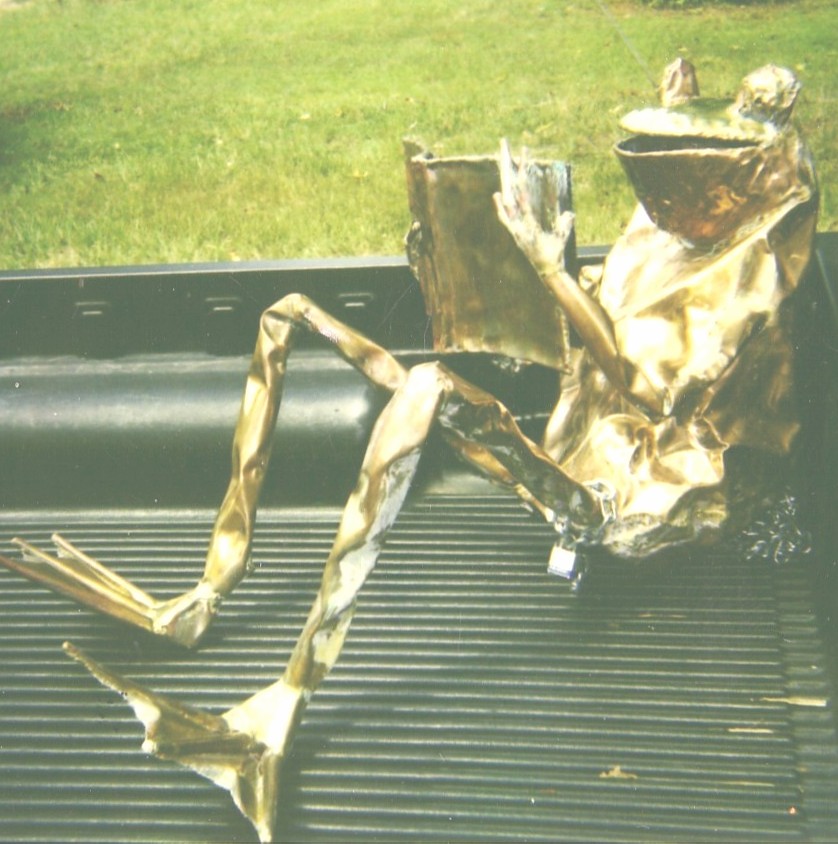
Beau sculpts with non-corrosive metals: copper, brass, and stainless steel. He cuts, shapes, and brazes copper with brazing rod, an amalgam of brass that produces bronze when fused with copper. These metals are permanent and beautiful. Regular steel rusts. Stainless steel remains pristine. Copper develops what is known as a patina, a permanent surface layer that artists and art appreciators consider beautiful. Unlike rust, the patina is permanent and will not erode the  sculpture. To produce the patina, Beau bathes the sculpture in acid  and  treats the Frog to a secret patina process. Bronze sculpture typically has such a patina. So do these copper frog sculptures. A copper frog is very much like a bronze frog. The copper frog is original art, not created from a mold, as is a bronze.


Durability

Beau produces a sturdy and durable sculpture. Where the sculpture needs to be reinforced, he reinforces it. The intention of design and method is to create permanent monumental sculpture, capable of standing the test of time. The work is permanently installed in many public places. The patina will remain. Chemicals in the environment can alter the patina slightly. A force such as a constant flow of water on an area of the sculpture can eventually remove or change the patina. Some sculptors complete their patinas with a varnish or other type of sealant, thus delaying the inevitable affects of the weather. Beau prefers to allow the metal to "breathe". He says it is more natural that way, and, he adds, more beautiful.


The Process

Beau Smith, now in his mid-forties, has worked in this medium of brazed metal sculpture since he was a teenager. He cuts, shapes, hammers, and brazes copper to produce maximum expression and integrity in the metal.

A Frog generally takes between one and two weeks of intense labor, then another week to apply the patina. It is a labor of love and also of care. The work can be dangerous and requires constant awareness. The effort, though, is worth it. The result is beautiful and fun.

Copper frogs come from the process of direct metal sculpting. Bronze frogs and other bronze sculpture results from a mold. This is the main difference between Beau Smith's copper frog and a bronze frog. Otherwise, the copper frog is similar to a bronze frog.


Every Frog is different, an original sculpture. "With each Frog, I challenge myself," Beau says. "I always want the work to be new and fresh."


Every Frog he made, he sold.


               Home                                  The History


Beau learned the art and craft of metal sculpting from his father, Charles. Charles is the originator of the human-sized copper frog, a creature made from direct metal sculpture. The product is similar to a bronze frog. Charles became a professional sculptor mid-career, shifting, in the early 70s from science to art. After much experiment in the realm of metal sculpture, Charles came up with the Frog.

Beau grew up with his backyard in downtown, Charleston, South Carolina, filled with metal sculpture, some of it abstract, some of it figurative. "Sometimes my backyard was like a bizarre Martian landscape, with Martians. All the wild sculptures," Beau recalls.

In the early 80s, one of Charles's patrons suggested that Charles sculpt a frog. The implication, of course, was that if the frog was any good, that is, if the patron liked it, he would buy it. Like it, he did. Charles sculpted more Frogs, some of them large, none of them small. Every Frog he made, he sold. He had, in effect, stumbled onto a niche. Though this was not the only reason making Frogs appealed to Charles, financial incentive is a strong one. As he continued to sculpt Frogs, his craftsmanship and artistry in making them grew.

Some years after Charles had been steadily making Frog after Frog, and selling them easily, his two sons, Beau and Alexander, hopped aboard and began making them as well. Not long after that, copycats began also making Frogs, or rather, attempting to make them. "The ones that try to copy us are craftspeople, not sculptors," Beau says. "They cannot produce what we produce. Not even close." Beau admits, somewhat reluctantly, that there are other sculptors out there producing their own kind of frogs, mostly smaller. 

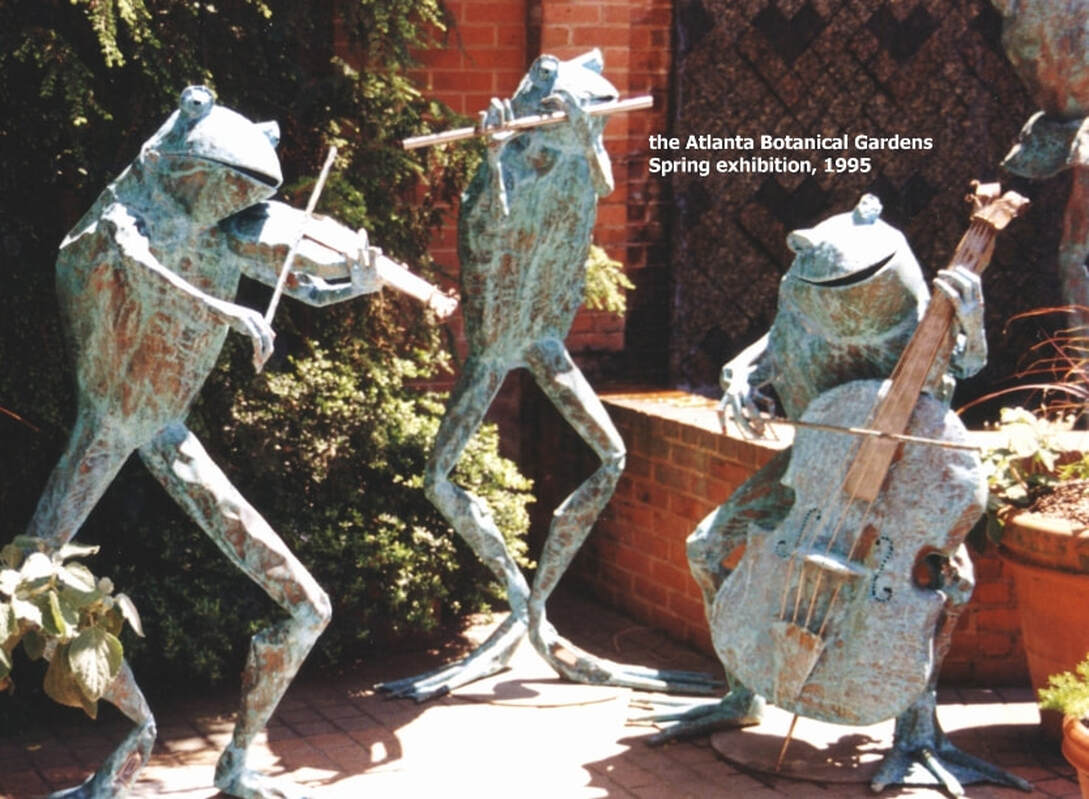
The Smiths work independently. In the past they had shows together. For several years in a row, the Smiths exhibited at the Atlanta Botanical Gardens, where the gardens now has a permanent collection of Smith Frogs. The Smiths also exhibited at the New York's  Wave Hill Gardens. The Smiths have called themselves "Frog Smiths". Many know their work collectively as "the Smith Frogs."


The Atlanta Botanical Gardens, Spring show, 1995


Coffee Table Book featuring my Dad's frog sculptures in Quebec's Les Quatre Vents:


  The Frogs reside in many public places in the US and abroad.


               Home                    Copper Frog Highlights


Smith Frogs in Southern Living, New York Times, local newspapers and magazines

The Smith Frogs have received much attention and acclaim over the years. They reside in many public places across the US and abroad as well as in countless private collections. A children's museum in Honduras, funded by the World Bank, has fifteen Frogs. An elementary school near Wave Hill Gardens has a large permanent collection, as does the Atlanta Botanical Gardens. The prestigious gardens of Quebec's Les Quatre Vents have a large collection of Charles's Frogs. The work appears in, The Greater Perfection, a book about the gardens. The city of Smyrna has several of Beau's Frogs in its downtown area. Recently, the Clifton Park-Half Moon Library in Clifton Park, New York, bought and installed two of Beau's Frogs. This is to name but a few public installations.

The Frogs have been in commercials and advertisements. They are constant photo ops. Several of Beau's Frogs provided a backdrop for a performance by Travis Tritt at the 1995 Country Music Awards.


Purchase


  Recent Work


HOME


Links  http://www.top100-artists.com/in.php?id=Beauart

fb1


mgd